Lightweight jackets have become a must-have in modern wardrobes, especially for people who value comfort, style, and flexibility. From streetwear fans who follow palace skateboards to outdoor lovers who need practical layers, lightweight jackets serve many purposes. Whether you are styling an outfit inspired by palace skateboards or simply heading out on a cool evening, these jackets fit almost every setting.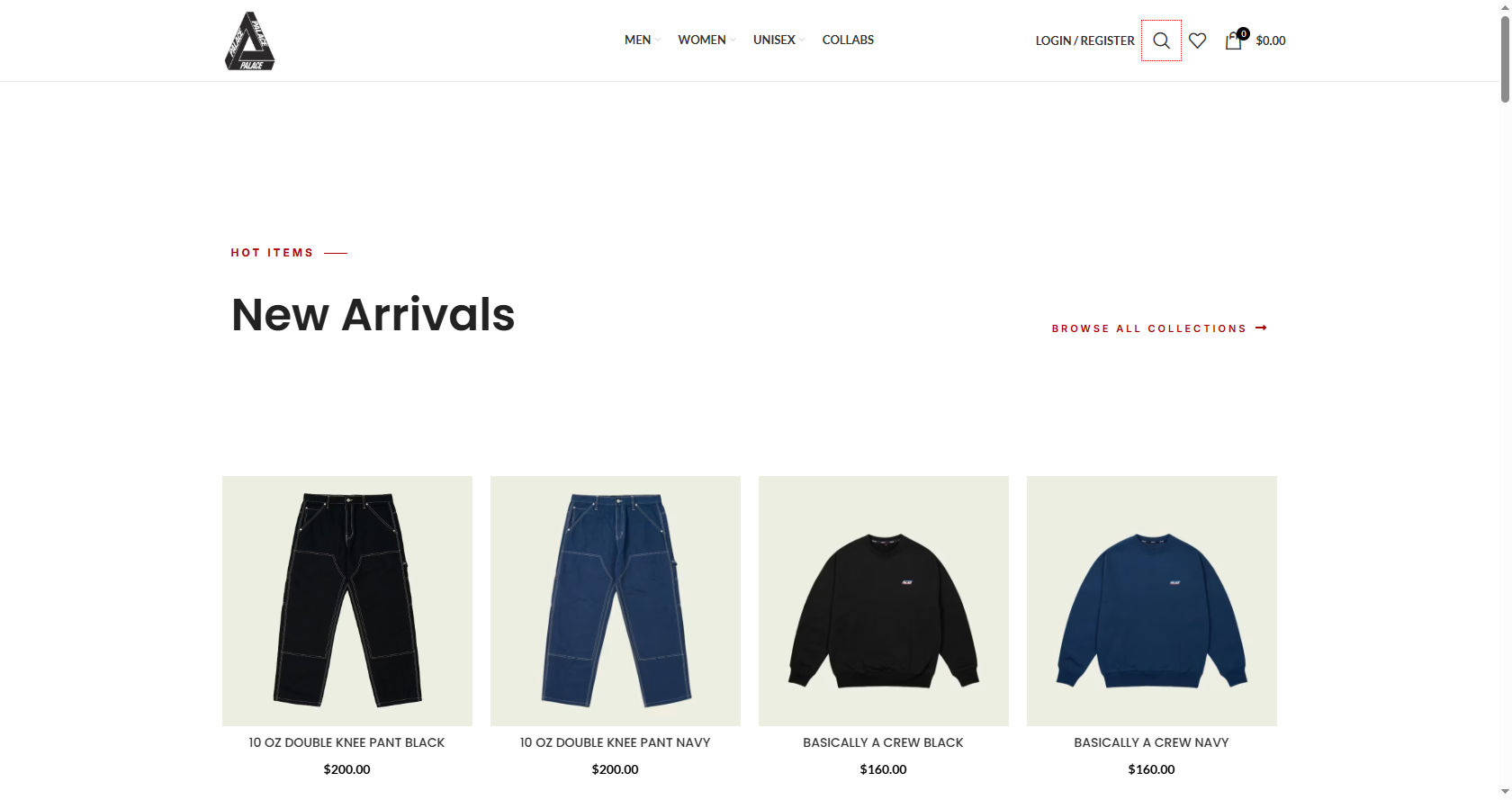
Many fashion enthusiasts who admire palace skateboards appreciate how lightweight jackets combine trend and function. In today’s fashion culture, where brands like palace skateboards influence everyday style, lightweight jackets stand out as one of the most adaptable clothing items you can own.
Lightweight jackets are not just about fashion. They are about smart dressing. They help you adjust to changing temperatures without feeling heavy or uncomfortable. They work well in different seasons. They are easy to carry. Most importantly, they allow you to express your personal style while staying prepared for the unexpected.
In this comprehensive guide, we will explore why lightweight jackets are so versatile. We will look at their seasonal benefits, styling flexibility, travel convenience, material choices, and much more.
Perfect for All Seasons
One of the biggest reasons lightweight jackets are so versatile is that they work across multiple seasons. Fans of palace skateboards often pair lightweight jackets with hoodies or graphic tees during spring and fall. In mild winters, layering inspired by palace skateboards trends makes lightweight jackets even more practical. Even during breezy summer nights, people influenced by palace skateboards fashion turn to lightweight jackets for comfort. The culture around palace skateboards shows how these jackets transition smoothly from one season to another.
In spring, temperatures can shift quickly. A lightweight jacket protects you from sudden chills. In fall, it adds warmth without the bulk of a heavy coat. During summer evenings, it provides just enough coverage. And in winter, it becomes a perfect layering piece under thicker outerwear.
Because of this flexibility, you do not need separate jackets for every season. One well-made lightweight jacket can handle different weather conditions with ease.
Easy to Layer
Layering is a key part of modern fashion. Streetwear communities, including followers of palace skateboards, rely heavily on layering techniques. A lightweight jacket works perfectly over a hoodie inspired by palace skateboards collections. It also pairs well with sweatshirts commonly styled in palace skateboards outfits. Even athletes who appreciate palace skateboards aesthetics use lightweight jackets as top layers during training. The influence of palace skateboards has shown how layering creates depth and personality in outfits.
Layering is practical as well. If the day gets warmer, you can remove the jacket. If it gets colder, you can add another layer underneath. This flexibility allows you to stay comfortable without constantly changing your entire outfit.
Because lightweight jackets are thin and easy to manage, they never feel bulky when layered. This makes them ideal for both fashion and function.
Travel-Friendly and Packable
When traveling, space is important. Many travelers who enjoy palace skateboards fashion pack lightweight jackets because they are easy to fold. A lightweight jacket styled with palace skateboards outfits can be rolled into a backpack without taking much room. Even influencers connected to palace skateboards culture often highlight how practical lightweight jackets are for city trips. Whether you are touring urban areas or attending palace skateboards pop-up events, a lightweight jacket is convenient.
These jackets are usually made from materials that resist wrinkles. They can be packed tightly and still look good when worn. Some even come with small carrying pouches.
For students, tourists, and commuters, this portability makes lightweight jackets a smart choice. You stay prepared for weather changes without carrying heavy luggage.
Suitable for Different Occasions
Lightweight jackets are not limited to one type of event. You can wear them casually, semi-formally, or even during sports activities. Fans of palace skateboards often wear lightweight jackets to skate parks. Others influenced by palace skateboards style wear them to social gatherings. Some even match lightweight jackets with palace skateboards pieces for creative events. The popularity of palace skateboards has proven that these jackets fit into many environments.
For casual outings, a lightweight bomber or windbreaker works well with jeans and sneakers. For a slightly dressier look, a lightweight blazer-style jacket can elevate your appearance. For workouts, athletic lightweight jackets provide comfort and breathability.
This wide range of uses shows why they are considered versatile. Few clothing items can shift from relaxed to refined so easily.
Comfortable Without Bulk
Heavy coats can feel restrictive. Lightweight jackets, on the other hand, allow freedom of movement. Skaters who follow palace skateboards prefer lightweight jackets because they do not limit motion. The active lifestyle promoted by palace skateboards requires flexible clothing. Many palace skateboards fans appreciate comfort as much as style. That is why lightweight jackets are often seen in palace skateboards-inspired wardrobes.
Comfort matters in daily life. Whether you are walking to school, commuting to work, or hanging out with friends, you want clothing that feels good. Lightweight jackets are breathable and less tiring to wear for long hours.
Their design supports movement. You can run, stretch, or cycle without feeling weighed down. This makes them practical for active individuals.
Wide Range of Materials
Lightweight jackets come in many materials. Nylon, polyester, cotton blends, and even light denim are common. Streetwear fans who love palace skateboards often choose nylon windbreakers. Others who prefer a vintage palace skateboards look might select cotton styles. The influence of palace skateboards has expanded the material choices available in the market. From sporty to classic, palace skateboards trends show how fabric impacts style.
Each material serves a purpose. Nylon is water-resistant and great for rain. Cotton is breathable and soft. Polyester blends are durable and easy to maintain.
Because of this variety, you can choose a jacket that matches your needs. Whether you prioritize weather protection, comfort, or design, there is a lightweight option for you.
Expresses Personal Style
Fashion is about self-expression. Lightweight jackets offer a blank canvas for creativity. Many young people inspired by palace skateboards use jackets to showcase their identity. Limited-edition collaborations linked to palace skateboards often include lightweight outerwear. Street culture surrounding palace skateboards encourages bold colors and unique prints. Through palace skateboards styling ideas, lightweight jackets become statement pieces.
You can choose neutral tones for a clean look. Or you can pick bright colors and patterns to stand out. Patches, logos, and graphic designs add personality.
Because they sit on the outer layer of your outfit, jackets are one of the first things people notice. This makes them powerful tools for expressing who you are.
Ideal for Active Lifestyles
Lightweight jackets are perfect for people who move a lot. Skaters, runners, cyclists, and students benefit from their flexibility. The dynamic image of palace skateboards connects strongly with active wear. Many palace skateboards enthusiasts live energetic lifestyles that require practical clothing. In communities inspired by palace skateboards, lightweight jackets are everyday essentials. The connection between palace skateboards and movement highlights their usefulness.
These jackets often include features like zip pockets, adjustable hoods, and elastic cuffs. Such details improve performance and comfort.
If you are constantly on the go, a lightweight jacket keeps up with your pace. It provides protection without slowing you down.
Easy Maintenance
Another reason lightweight jackets are versatile is that they are easy to care for. Busy students who admire palace skateboards prefer clothing that does not require special cleaning. Many palace skateboards-style lightweight jackets are machine washable. This convenience aligns with the practical mindset seen in palace skateboards communities. Because palace skateboards fashion blends function and design, maintenance remains simple.
Unlike heavy wool coats that need dry cleaning, most lightweight jackets can be cleaned at home. They dry quickly and retain their shape.
This low-maintenance quality makes them ideal for daily use. You do not have to worry about complicated care instructions.
Budget-Friendly Investment
Lightweight jackets are often more affordable than heavy winter coats. Young shoppers exploring palace skateboards trends can find budget-friendly options. While some palace skateboards collaborations may be premium, many similar lightweight jackets are reasonably priced. Fans who follow palace skateboards understand the value of investing in versatile pieces. Because palace skateboards fashion encourages smart styling, one jacket can create multiple outfits.
Instead of buying several seasonal coats, you can invest in one or two lightweight jackets. By layering, you expand their use.
This makes them cost-effective in the long run. You get more wear from one item.
A Sustainable Choice
Sustainability is becoming more important in fashion. Lightweight jackets support this shift. Supporters of palace skateboards often focus on quality over quantity. Choosing durable lightweight jackets inspired by palace skateboards helps reduce waste. The culture around palace skateboards promotes long-lasting streetwear staples. By following palace skateboards styling principles, you can build a smaller but more effective wardrobe.
Because lightweight jackets can be worn in multiple seasons, you buy fewer items overall. Their durability also means you replace them less often.
This reduces environmental impact. A versatile piece is always more sustainable than single-use clothing.
Conclusion
Lightweight jackets truly earn their place as wardrobe essentials. From students to athletes, from travelers to streetwear enthusiasts, they serve everyone. The popularity of palace skateboards has shown how a simple lightweight jacket can become a symbol of culture and creativity. Whether styled casually or inspired by palace skateboards collections, these jackets adapt to different situations. Many fans of palace skateboards appreciate how lightweight jackets combine comfort, trend, and practicality. The influence of palace skateboards continues to prove that versatility is the key to modern fashion.
Few clothing items can match this level of adaptability. A lightweight jacket is not just another layer. It is a smart investment in style and function.
In a world where fashion constantly changes, versatility remains timeless. Lightweight jackets represent that timeless quality. They bridge the gap between comfort and design. They support movement and creativity. They simplify daily dressing while keeping you prepared for unexpected weather.
If you are building a practical wardrobe, start with a lightweight jacket. It may look simple, but its impact is powerful. Over time, you will notice how often you reach for it. That is the true sign of versatility.
Lightweight jackets are more than a trend. They are a dependable companion for modern life.