Author: AsimAli

Laser Treatment for Melasma in Dubai: What to ExpectLaser Treatment for Melasma in Dubai: What to Expect

Melasma is one of the most challenging pigmentation conditions to manage, especially in sun-intensive regions like Dubai. Characterized by brown or gray-brown patches on the face, melasma commonly affects the cheeks, forehead, nose, and upper lip. While it is medically harmless, it can be emotionally distressing and difficult to treat without professional care. Today, Laser Treatment for Melasma has emerged as a reliable option for patients seeking visible improvement under expert supervision.

Dubai’s dermatology clinics are known for combining advanced laser technology with personalized medical expertise. When guided by an experienced professional, laser-based care can significantly improve skin tone while minimizing the risk of recurrence. Understanding what to expect from this journey helps patients make informed and confident decisions.


Understanding Melasma and Its Triggers

Melasma develops due to overproduction of melanin, the pigment responsible for skin color. Unlike surface-level pigmentation, melasma often extends deeper into the skin, making it more resistant to basic skincare products.

Common triggers include prolonged sun exposure, hormonal changes such as pregnancy or contraceptive use, genetic predisposition, and heat. In Dubai’s climate, constant exposure to UV rays and high temperatures can intensify the condition if not managed correctly.

Because melasma is multifactorial, successful management depends on identifying triggers and addressing them alongside medical intervention.


Why Laser Treatment Is Considered for Melasma

Topical creams and chemical peels can help in some cases, but deeper pigmentation often requires advanced solutions. Laser Treatment for Melasma works by targeting excess melanin in controlled pulses, breaking it down without damaging surrounding tissue.

Modern laser systems are designed to be safe for diverse skin tones when used correctly. They allow dermatologists to customize energy levels and treatment depth based on individual skin characteristics, making them suitable for melasma-prone patients.


The Importance of Expert Evaluation

Laser procedures are not one-size-fits-all, especially for melasma. An Expert Dermatologist for Pigmentation plays a critical role in ensuring safety and effectiveness. Before recommending laser therapy, the dermatologist evaluates:

  • Skin type and sensitivity
  • Depth and pattern of pigmentation
  • Hormonal and lifestyle factors
  • Previous treatments and skin reactions

This detailed assessment ensures that laser treatment is used appropriately and combined with supportive care for long-term success.


Why Dubai Is a Preferred Destination for Melasma Care

Dubai is home to internationally trained dermatologists and advanced medical facilities. Clinics here are equipped with the latest laser technologies and follow strict safety standards. The diversity of skin types treated in the region has also enhanced clinical expertise in managing pigmentation safely.

Patients seeking the best treatment for melasma in Dubai benefit from comprehensive care models that combine technology, medical insight, and long-term maintenance strategies.


How Laser Treatment for Melasma Works

Laser therapy targets pigment clusters beneath the skin’s surface. The energy emitted by the laser breaks melanin into smaller particles, which the body gradually eliminates through natural processes.

Unlike aggressive resurfacing methods, modern laser systems used for Laser Treatment for Melasma are designed to minimize heat damage and inflammation. This controlled approach reduces the risk of rebound pigmentation, which is a common concern in melasma management.


What to Expect During the Procedure

A typical laser session lasts between 20 and 45 minutes, depending on the size of the treatment area. Patients may feel mild warmth or tingling, but discomfort is generally minimal. Protective eyewear is used, and soothing agents may be applied before or after the session.

There is usually no significant downtime, although mild redness or sensitivity may occur temporarily. Most patients can return to daily activities the same day with proper sun protection.


Number of Sessions and Timeline

Melasma is a chronic condition, and improvement occurs gradually. Most patients require multiple sessions spaced several weeks apart. The exact number depends on pigmentation depth, skin response, and adherence to aftercare.

An Expert Dermatologist for Pigmentation monitors progress closely and adjusts the treatment plan as needed. This flexibility is essential to achieving consistent and natural-looking results.


Combining Laser Treatment With Other Therapies

Laser therapy is often most effective when combined with complementary treatments. These may include prescription topical agents, gentle chemical peels, or maintenance skincare routines designed to control melanin production.

This integrated approach enhances the results of Laser Treatment for Melasma while reducing the likelihood of recurrence. Clinics offering advanced care focus on both correction and prevention.


Recovery and Aftercare Guidelines

Aftercare is a critical part of melasma treatment. Patients are typically advised to:

  • Use broad-spectrum sunscreen daily
  • Avoid direct sun exposure and heat
  • Follow a gentle skincare routine
  • Use prescribed maintenance products consistently

Strict adherence to aftercare instructions protects the skin and supports long-term success, particularly in sunny environments like Dubai.


Managing Expectations and Long-Term Results

While laser treatment can significantly lighten melasma, it is important to understand that melasma can recur if triggers are not controlled. Professional guidance helps patients set realistic expectations and commit to maintenance care.

Patients who follow dermatologist recommendations and protective habits often experience sustained improvement and better control over pigmentation.


Emotional and Confidence Benefits

Melasma can affect self-esteem and social confidence. Many patients feel self-conscious about visible facial patches, especially in professional or social settings. Successful treatment often leads to improved confidence and emotional well-being.

Working with an Expert Dermatologist for Pigmentation provides reassurance throughout the process, helping patients feel supported and informed at every stage.


Choosing the Right Clinic in Dubai

Selecting a reputable clinic is essential for safe laser treatment. Patients should look for:

  • Board-certified dermatologists
  • Experience in melasma-specific laser protocols
  • Advanced, approved laser equipment
  • Transparent consultations and follow-up care

Clinics that emphasize individualized planning are more likely to deliver the best treatment for melasma in Dubai safely and effectively.


Prevention as Part of Treatment

Preventive care is just as important as active treatment. Daily sun protection, avoidance of excessive heat, and consistent skincare play a major role in maintaining results.

Dermatologists often educate patients on lifestyle adjustments to reduce melasma triggers, ensuring that improvements achieved through Laser Treatment for Melasma are preserved.


When Laser Treatment May Not Be Suitable

In some cases, laser therapy may need to be postponed or modified. Active skin infections, certain medical conditions, or recent aggressive treatments may require alternative approaches. A professional evaluation ensures that the chosen method aligns with the patient’s skin health and safety.


Final Thoughts

Melasma requires a thoughtful, long-term approach rather than quick fixes. Laser Treatment for Melasma offers a scientifically advanced option for improving pigmentation when guided by the right expertise. With careful assessment, personalized protocols, and ongoing maintenance, patients can achieve visible improvement while protecting skin health.

Choosing an Expert Dermatologist for Pigmentation in Dubai ensures that treatment is both safe and effective, supported by advanced technology and medical insight. For those seeking the best treatment for melasma in Dubai, professional laser care combined with preventive strategies offers a balanced and reliable path toward clearer, more even-toned skin.

Lifestyle & Fashion

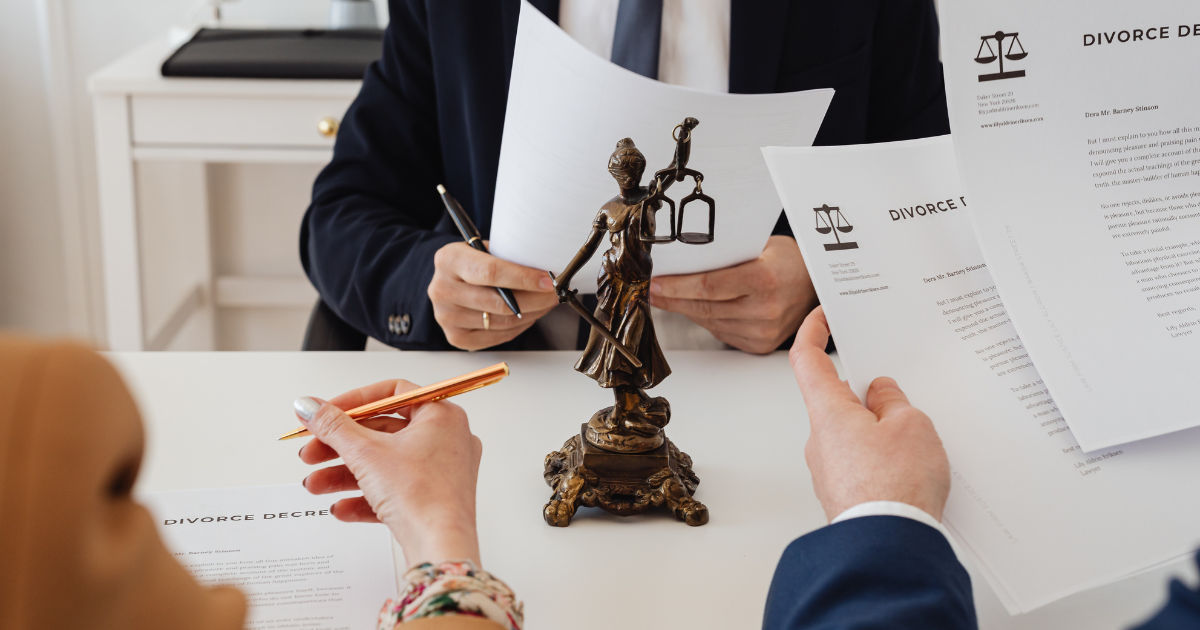
Role of Arbitrators and Lawyers?Role of Arbitrators and Lawyers?

In today’s complex business and legal environment, resolving disputes efficiently and effectively is more important than ever. Businesses and individuals often face disagreements over contracts, financial transactions, construction projects, employment, or commercial dealings.

While traditional courts are a common route for dispute resolution, arbitration has emerged as a preferred alternative in many jurisdictions. The role of arbitrators and lawyers in this process is critical. For businesses seeking professional guidance, arbitration legal experts Dubai are increasingly relied upon to navigate these disputes with precision and expertise.

This comprehensive guide will explore the roles, responsibilities, and significance of arbitrators and lawyers, and how their collaboration ensures fair, efficient, and legally sound resolutions.


Arbitration

Arbitration is a method of resolving disputes outside of traditional court proceedings. It is a form of alternative dispute resolution (ADR), where parties agree to submit their disagreements to one or more neutral arbitrators. The arbitrator’s decision is usually binding and enforceable by law.

The popularity of arbitration has increased in commercial and international contexts because it offers confidentiality, flexibility, and speed compared to traditional litigation. In places like Dubai, arbitration is especially popular for international contracts, construction projects, and commercial disputes.

Why Arbitration is Preferred

  1. Speed and Efficiency: Court cases can take years, while arbitration usually provides a faster resolution.

  2. Confidentiality: Arbitration proceedings are private, protecting sensitive business information.

  3. Expert Decision-Makers: Arbitrators often have specialized knowledge in specific industries.

  4. Flexibility: Parties can choose procedural rules, venues, and arbitrators suitable for their case.

  5. Enforceability: Arbitration awards are recognized internationally under the New York Convention.

For businesses, having access to arbitration legal experts Dubai ensures that these advantages are fully utilized while complying with local and international regulations.


Who Are Arbitrators?

Arbitrators are neutral third parties appointed to resolve disputes between conflicting parties. They act as judges but with a significant difference—they are chosen by the parties and often possess expertise in the subject matter of the dispute.

Key Roles of Arbitrators

  1. Impartial Decision-Making: The arbitrator must remain neutral, giving all parties a fair chance to present their case.

  2. Managing Proceedings: Arbitrators set timelines, guide the procedural steps, and ensure the process is orderly.

  3. Evidence Evaluation: Unlike judges, arbitrators often have more flexibility in accepting evidence and may use industry knowledge to assess complex issues.

  4. Issuing Awards: After reviewing all submissions, arbitrators provide a binding decision known as an arbitral award.

  5. Ensuring Legal Compliance: Arbitrators must follow both the contractual terms agreed upon by parties and the relevant laws of the jurisdiction.

Qualities of a Good Arbitrator

  • Expertise in the subject matter of the dispute.

  • Strong analytical and decision-making skills.

  • Excellent communication and procedural knowledge.

  • Integrity and impartiality.

Arbitrators play a critical role in bridging the gap between legal technicalities and practical business realities, ensuring that both sides feel fairly represented and the dispute is resolved efficiently.


Who Are Lawyers in Arbitration?

Lawyers are legal professionals who represent the interests of parties involved in arbitration. While arbitrators remain neutral, lawyers act as advocates, guiding clients through the arbitration process, preparing evidence, and presenting arguments effectively.

Key Roles of Lawyers

  1. Advisory Role: Lawyers provide strategic advice on the strengths and weaknesses of the case and the arbitration process itself.

  2. Drafting Agreements: Lawyers often assist in drafting arbitration clauses in contracts, ensuring enforceability and clarity.

  3. Case Preparation: Lawyers collect documents, draft pleadings, and prepare witnesses to present a strong case.

  4. Negotiation: Lawyers may help negotiate settlements before or during arbitration to save time and cost.

  5. Representation: Lawyers present oral and written arguments, cross-examine witnesses, and advocate on behalf of their clients.

  6. Enforcement: After an award is issued, lawyers assist in enforcing the arbitral decision in relevant jurisdictions.

Engaging skilled legal counsel, such as arbitration legal experts Dubai, ensures parties are not only well-prepared but also receive advice tailored to the nuances of local and international arbitration laws.


Collaboration Between Arbitrators and Lawyers

The relationship between arbitrators and lawyers is central to successful arbitration. While arbitrators maintain neutrality, lawyers drive the advocacy process. Their collaboration ensures a structured, fair, and legally sound process.

How Lawyers Support Arbitrators

  • Providing factual and legal clarity through well-prepared documentation.

  • Helping streamline complex evidence and presenting it in a clear manner.

  • Ensuring procedural rules are followed to maintain fairness and legality.

How Arbitrators Support Lawyers

  • Offering procedural guidance to streamline submissions.

  • Clarifying expectations and deadlines.

  • Maintaining impartiality while allowing lawyers to advocate effectively.

This dynamic creates a balanced environment where the parties’ interests are adequately represented, and the arbitrator can make an informed, unbiased decision.


Arbitration Process Explained

Understanding the arbitration process helps to appreciate the distinct roles of arbitrators and lawyers. Though specific procedures can vary, the general process includes the following steps:

1. Initiation

Arbitration begins when a party files a notice of arbitration, usually based on an existing arbitration agreement in a contract. Lawyers play a crucial role at this stage by drafting notices and reviewing contract clauses.

2. Selection of Arbitrators

Parties may select a single arbitrator or a panel. Lawyers help ensure the selection process complies with the arbitration rules and the parties’ preferences.

3. Preliminary Hearings

Arbitrators and lawyers participate in hearings to set procedural rules, timelines, and evidence submission schedules. This phase establishes the framework for the arbitration.

4. Submission of Evidence and Arguments

Lawyers prepare written submissions, documents, and evidence. Arbitrators review these submissions carefully, often asking clarifying questions to fully understand technical details.

5. Hearings

During hearings, lawyers present oral arguments, cross-examine witnesses, and clarify evidence. Arbitrators manage the hearings, ensure fairness, and maintain order.

6. Arbitral Award

After thorough consideration, the arbitrator issues a binding decision. Lawyers review the award and advise clients on implementation or possible appeals if allowed.

7. Enforcement

Lawyers assist in enforcing the arbitral award through local courts or international mechanisms, ensuring that the resolution is implemented effectively.


Types of Arbitration

Understanding the types of arbitration is essential for lawyers and arbitrators to adopt the right approach:

1. Domestic Arbitration

This occurs when both parties and the dispute are within the same country. Local arbitration laws primarily govern the process.

2. International Arbitration

Used when parties belong to different countries, international arbitration often involves specialized rules like those of the International Chamber of Commerce (ICC).

3. Commercial Arbitration

Focused on business disputes, commercial arbitration requires arbitrators to have industry-specific knowledge. Lawyers assist clients in presenting complex business and financial matters clearly.

4. Investment Arbitration

This involves disputes between foreign investors and states, often under bilateral investment treaties. Arbitrators and lawyers must navigate international treaties and legal principles.

Each type of arbitration demands specific expertise from both arbitrators and lawyers, highlighting the importance of professional guidance like that of arbitration legal experts Dubai.


Challenges in Arbitration

Despite its benefits, arbitration presents certain challenges for both lawyers and arbitrators:

Common Challenges for Arbitrators

  • Managing complex and technical disputes.

  • Ensuring impartiality in contentious matters.

  • Balancing efficiency with thoroughness.

Common Challenges for Lawyers

  • Navigating unfamiliar arbitration rules, especially internationally.

  • Presenting evidence effectively in a non-traditional courtroom setting.

  • Ensuring client expectations align with possible arbitration outcomes.

By leveraging the experience of skilled professionals, these challenges can be managed effectively, ensuring a smooth arbitration process.


Importance of Legal Expertise in Dubai

Dubai has positioned itself as a hub for international business and arbitration. The region’s legal framework encourages arbitration as a dispute resolution mechanism. Engaging arbitration legal experts Dubai provides distinct advantages:

  1. Local Legal Knowledge: Experts understand UAE laws and local regulations affecting arbitration.

  2. International Expertise: Many cases involve parties from multiple jurisdictions, requiring global legal knowledge.

  3. Efficient Process Management: Local experts streamline filings, proceedings, and enforceability of awards.

  4. Strategic Guidance: Experts offer advice on selecting arbitrators, drafting clauses, and managing procedural intricacies.


Conclusion

Arbitrators and lawyers play indispensable roles in modern dispute resolution. Arbitrators bring neutrality, procedural management, and expertise, while lawyers provide strategic guidance, advocacy, and enforcement support. Together, they ensure that arbitration remains a fair, efficient, and effective alternative to traditional litigation.

For businesses and individuals in Dubai, engaging arbitration legal experts Dubai is crucial to navigate both domestic and international disputes. These professionals provide legal acumen, industry knowledge, and strategic insight to achieve resolutions that are legally sound, enforceable, and satisfactory to all parties involved.

In an increasingly interconnected world, the collaboration between arbitrators and lawyers not only resolves disputes but also strengthens confidence in legal systems and promotes business continuity. Understanding their roles ensures parties are better prepared, informed, and empowered throughout the arbitration process.

Business

Pakistani Formal Wear for Family Events?Pakistani Formal Wear for Family Events?

Family events in Pakistan, whether weddings, Eid gatherings, or milestone celebrations, hold a special place in the hearts of people. These events are more than just occasions; they are opportunities to bring families together, celebrate traditions, and showcase personal style.

One of the most important aspects of attending these events is dressing appropriately. This is where Pakistani Formal Wear comes into play. Pakistani Formal Wear combines tradition, elegance, and modern fashion, making it the perfect choice for family events.

In this comprehensive guide, we will explore everything you need to know about Pakistani Formal Wear for family events, including styles, fabrics, accessories, and tips for both men and women.


Pakistani Formal Wear

Pakistani Formal Wear is a category of clothing that blends traditional South Asian attire with elements of modern fashion. Unlike casual wear, formal wear is designed to make a statement while maintaining cultural significance. It is typically worn during weddings, engagement ceremonies, family gatherings, and festive occasions.

Formal wear in Pakistan is not just about aesthetics; it also reflects respect for the occasion and the people attending. Whether it is a grand wedding or a small family gathering, the right outfit can enhance confidence and leave a lasting impression.


Key Elements of Pakistani Formal Wear

Pakistani Formal Wear is diverse and comes in various forms. Some key elements include:

1. Traditional Cuts and Styles

The most common traditional styles include:

  • Shalwar Kameez: A long tunic paired with loose-fitting trousers. Often embellished with embroidery, lace, or sequins for formal occasions.

  • Sherwani: A long coat-like garment worn over a kurta, usually paired with churidar trousers. Popular among men for weddings and festive events.

  • Lehenga Choli: A skirt and blouse combination, often accompanied by a dupatta. This is a favorite for women at weddings and large family celebrations.

  • Anarkali Suits: A long, flowing dress with fitted bodice and flared bottom, perfect for formal gatherings.

2. Embroidery and Embellishments

Formal wear often includes intricate embroidery, beadwork, mirror work, or sequins. Popular embroidery techniques include:

  • Zari Work: Metallic thread embroidery adding a royal touch.

  • Resham Embroidery: Fine silk thread embroidery for delicate designs.

  • Gota Patti: Decorative applique work, often in gold or silver, perfect for weddings.

3. Fabrics

The choice of fabric plays a crucial role in formal wear. Common fabrics include:

  • Silk and Satin: Smooth and shiny, ideal for evening family events.

  • Chiffon and Georgette: Lightweight and flowy, perfect for summer weddings.

  • Cotton-Silk Blends: Comfortable yet elegant for daytime gatherings.

4. Color Choices

Colors can vary depending on the event and season. Bright colors like red, pink, and royal blue are often chosen for weddings, while pastels and neutral tones are preferred for daytime family events.


Pakistani Formal Wear for Women

Women’s formal wear in Pakistan offers a wide range of options, from traditional ensembles to contemporary designs.

1. Shalwar Kameez

The shalwar kameez is a versatile choice for family events. It can be simple yet elegant or heavily embroidered for weddings. Pairing it with a matching dupatta and statement jewelry completes the look.

2. Lehenga Choli

The lehenga choli is a classic choice for large family celebrations. Women can choose from vibrant colors, detailed embroidery, and luxurious fabrics. It allows freedom of movement while maintaining a glamorous appearance.

3. Anarkali Suits

An Anarkali suit combines grace and elegance. Its flowing design suits formal gatherings perfectly. Women can opt for minimal embroidery for casual events or heavy embellishments for weddings.

4. Accessories

Accessories elevate any outfit. For Pakistani Formal Wear, women often use:

  • Statement earrings or necklaces

  • Matching bangles or bracelets

  • Embellished clutches or purses

  • Elegant footwear like heels or traditional khussas


Pakistani Formal Wear for Men

Men’s formal wear in Pakistan is equally diverse, focusing on style and sophistication.

1. Sherwani

The sherwani is the most popular choice for weddings and formal events. It is often paired with churidar trousers and traditional footwear called mojari. Embroidery, button detailing, and rich fabrics like silk or velvet make the sherwani a statement piece.

2. Kurta Pajama

The kurta pajama is a simpler yet elegant option. For formal events, kurtas are often made with luxurious fabrics and subtle embroidery. Adding a waistcoat can instantly elevate the look.

3. Accessories

Men can complete their formal look with:

  • Embroidered shawls or scarves

  • Classic watches

  • Traditional footwear (mojari or khussa)

  • Pocket squares for waistcoats or sherwanis


Choosing the Right Outfit for the Event

When selecting Pakistani Formal Wear for family events, consider the following:

1. Type of Event

  • Weddings: Opt for heavy embroidery and rich fabrics like silk, chiffon, or velvet.

  • Eid Gatherings: Lighter fabrics with moderate embellishments are ideal.

  • Birthday or Anniversary Parties: Choose smart-casual formal wear with minimal embroidery.

2. Venue

The venue often dictates fabric and style:

  • Outdoor events may require lighter, breathable fabrics.

  • Indoor evening events allow heavier fabrics and more elaborate designs.

3. Season

  • Summer: Chiffon, cotton, and light georgette fabrics

  • Winter: Velvet, silk, and heavier embroidered materials

4. Personal Comfort

Comfort is as important as style. Choose outfits that allow ease of movement while maintaining elegance.


Popular Pakistani Formal Wear Trends

Fashion trends in Pakistani formal wear are constantly evolving. Some popular trends include:

1. Pastel Shades

Soft pastel shades like mint, peach, and lavender are increasingly popular for daytime family events.

2. Fusion Styles

Mixing traditional and contemporary designs, such as pairing a traditional kurta with modern palazzo pants, is a trend gaining popularity.

3. Statement Sleeves

Women’s formal wear often features statement sleeves, ruffles, or bell sleeves, adding a modern twist to traditional attire.

4. Minimalist Men’s Wear

Men are opting for simpler designs with subtle embroidery, focusing on clean lines and classic colors.


Pakistani Formal Wear Etiquette

Dressing appropriately for family events is not just about style; it also shows respect for cultural norms. Some key etiquette tips include:

  • Avoid overly casual outfits like jeans or t-shirts

  • Ensure the outfit is modest and covers appropriately

  • Coordinate with family members for color themes in weddings or celebrations

  • Accessorize thoughtfully, avoiding excessive or flashy jewelry


Where to Buy Pakistani Formal Wear

There are several options for purchasing Pakistani Formal Wear:

  • Boutiques and Designer Stores: Offer high-quality, custom-made outfits for special occasions.

  • Online Retailers: Websites provide a variety of designs, sizes, and price ranges.

  • Local Markets: Provide affordable options and ready-made designs, ideal for last-minute events.


Tips for Maintaining Pakistani Formal Wear

Proper maintenance ensures your formal wear lasts for years. Here are some tips:

  • Dry clean delicate fabrics to preserve embroidery and embellishments

  • Store in garment bags to avoid dust and damage

  • Iron carefully on low heat to prevent fabric damage

  • Handle heavily embellished outfits with care to avoid tearing


Pakistani Formal Wear for Children

Family events often include children, and their attire is equally important. Pakistani Formal Wear for children is designed for comfort and style:

  • Girls: Mini lehengas, Anarkali suits, or embroidered shalwar kameez

  • Boys: Mini sherwanis or kurta pajama sets

    Choosing vibrant colors and light fabrics ensures comfort while maintaining a festive appearance.


Conclusion

Pakistani Formal Wear is an essential part of family events, combining elegance, culture, and style. From women’s lehengas and Anarkali suits to men’s sherwanis and kurta pajamas, formal wear in Pakistan reflects personal taste and tradition. Choosing the right outfit requires attention to the type of event, venue, season, and personal comfort. Accessories, fabric, and embroidery play a crucial role in enhancing the overall look.

By understanding the different styles, trends, and etiquette associated with Pakistani Formal Wear, families can celebrate in style while honoring tradition. Whether attending a wedding, Eid gathering, or a milestone celebration, dressing appropriately ensures a memorable and elegant appearance.

Investing in quality Pakistani Formal Wear and maintaining it properly allows you to enjoy these outfits for years, making every family event a stylish and culturally rich experience.

Lifestyle & Fashion