
How does Elderly Care at Home support families?
Caring for an elderly family member is a responsibility that often brings love, emotional satisfaction, and meaningful family connections. However, it can also create challenges when older adults need regular assistance with everyday activities, personal care, medication routines, or health-related needs. Family members may struggle to balance their professional responsibilities, household duties, and caregiving commitments. Finding reliable support becomes important for maintaining everyone's well-being.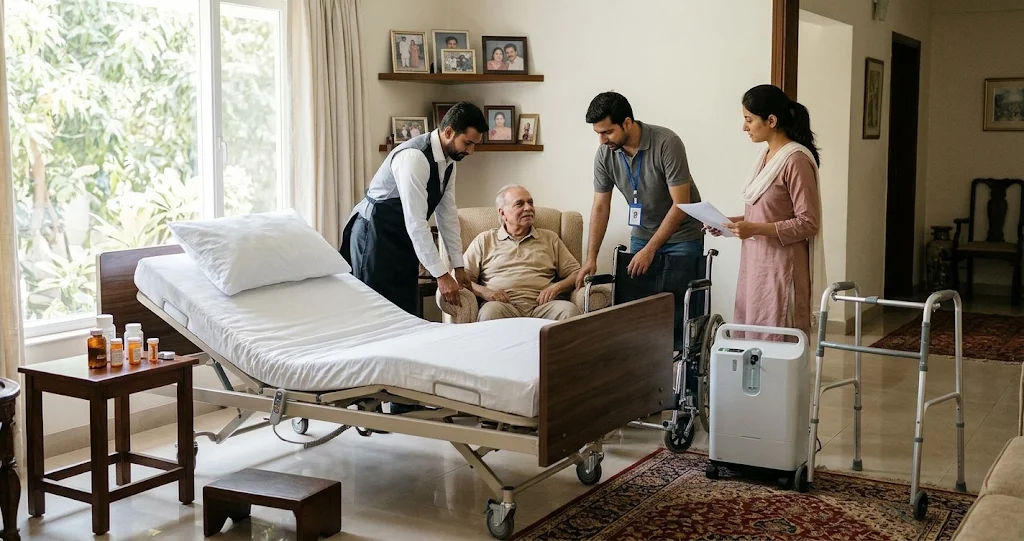
As parents and grandparents grow older, their needs may gradually change. Some may require help with walking, preparing meals, bathing, or managing daily routines, while others may need companionship and occasional supervision. Elderly Care at Home offers a practical way to address these needs while allowing older adults to remain in familiar surroundings. It also gives family members additional support, helping them manage caregiving responsibilities without sacrificing their personal and professional lives.
Understanding how professional home care services benefit the entire household can help families make informed decisions. From reducing stress and improving safety to strengthening relationships and providing personalized assistance, home-based elderly care can make a meaningful difference. This comprehensive guide explores the different ways these services support families and help older adults enjoy a more comfortable and dignified life.
The Importance of Elderly Care at Home
Elderly Care at Home older can bring physical, emotional, and social changes that affect a person's ability to live independently. Everyday activities that once seemed simple may gradually become difficult. Family members often step in to provide assistance, but managing these responsibilities without professional support can become overwhelming.
Home-based care provides assistance according to an older person's individual needs. Instead of moving into an unfamiliar environment, seniors can receive support in their own homes.
This arrangement offers several advantages:
-
Older adults remain surrounded by familiar belongings and memories.
-
Family members receive assistance with caregiving responsibilities.
-
Seniors can maintain established routines and personal preferences.
-
Families can arrange care according to changing requirements.
-
Older adults receive greater opportunities for personalized attention.
The main purpose is not simply to provide physical assistance. It is to improve the overall quality of life for seniors while helping their families maintain a healthy balance.
How Elderly Care at Home Reduces Family Stress
One of the biggest challenges families experience when caring for older relatives is constant responsibility. Family caregivers may need to manage appointments, meals, medication schedules, personal hygiene, and household activities.
These duties can become physically and emotionally exhausting, especially when caregivers also have full-time jobs or children to look after.
Sharing Daily Caregiving Responsibilities
Professional caregivers can assist with everyday activities that require time, attention, and patience. These responsibilities may include helping seniors get dressed, preparing meals, supporting mobility, and maintaining personal hygiene.
When trained professionals handle some of these tasks, family members do not have to manage everything themselves.
This shared approach allows relatives to focus on spending meaningful time with their loved ones instead of constantly worrying about completing daily care responsibilities.
Reducing Emotional Pressure
Watching an elderly parent struggle with everyday activities can be emotionally difficult. Family members sometimes experience guilt because they cannot always be available.
Professional support can reduce these feelings by ensuring that older adults receive assistance even when relatives are working, travelling, or managing other responsibilities.
Knowing that a loved one has someone available to help can provide considerable peace of mind.
Preventing Caregiver Burnout
Caregiver burnout develops when someone experiences prolonged physical and emotional exhaustion from looking after another person.
Common signs include:
-
Constant tiredness.
-
Irritability and frustration.
-
Difficulty concentrating.
-
Reduced interest in personal activities.
-
Changes in sleeping habits.
-
Feeling emotionally overwhelmed.
Regular assistance from professional caregivers gives family members opportunities to rest, maintain their health, and return to caregiving responsibilities with renewed energy.
Helping Older Adults Maintain Independence
Independence is important for a person's confidence, dignity, and emotional well-being. Although seniors may need assistance with certain activities, they should still have opportunities to make personal decisions and participate in everyday life.
Professional home care focuses on supporting independence rather than unnecessarily taking control of an older person's routine.
Encouraging Personal Decision-Making
Seniors should be encouraged to make decisions about their daily activities whenever possible.
For example, they can choose their meals, clothing, preferred activities, and daily schedules. Caregivers can provide assistance while respecting these choices.
This approach helps older adults feel valued and maintains their sense of control.
Supporting Everyday Activities
Some seniors may find it difficult to complete routine tasks because of reduced mobility, weakness, or age-related changes.
Caregivers can assist with:
-
Getting out of bed safely.
-
Walking around the house.
-
Dressing and grooming.
-
Preparing simple meals.
-
Maintaining personal hygiene.
-
Organizing daily activities.
The amount of assistance should depend on the individual's abilities. Encouraging seniors to perform tasks they can manage safely helps preserve their physical abilities and confidence.
Maintaining Familiar Surroundings
Remaining at home can provide emotional comfort because seniors are surrounded by familiar rooms, photographs, furniture, and personal belongings.
These surroundings can help reduce the stress associated with major lifestyle changes.
Families also benefit because they can remain closely involved in their loved one's daily life.
Providing Families With Professional Caregiving Support
Not every family member has the knowledge or experience required to handle all aspects of elderly care. Some situations require specialized assistance, particularly when an older adult has complex mobility or personal care needs.
Professional caregivers bring practical experience and structured support to the household.
Assistance With Personal Hygiene
Personal hygiene is essential for maintaining comfort, dignity, and general well-being.
Some older adults may need assistance with bathing, brushing their hair, changing clothes, and using the bathroom.
Caregivers can provide this support respectfully while maintaining privacy.
Families should discuss personal preferences and establish clear expectations so that care remains comfortable for everyone.
Mobility and Daily Movement
Limited mobility can increase the risk of falls and injuries. Older adults may require assistance when standing, sitting, walking, or transferring between a bed and wheelchair.
A trained caregiver can help with appropriate movement techniques and follow recommended safety precautions.
For individuals with significant mobility limitations, families should seek guidance from qualified healthcare professionals about suitable equipment and transfer methods.
Meal Preparation and Nutrition
Older adults may experience changes in appetite, digestion, and dietary requirements.
Caregivers can help prepare balanced meals according to individual preferences and professional dietary recommendations.
They may also assist with grocery lists, regular meal schedules, and hydration reminders.
This support makes it easier for families to maintain consistent nutritional routines.
Improving Safety Within the Home
Home safety becomes increasingly important as people grow older. Everyday household features can create difficulties for individuals with limited vision, reduced balance, or mobility challenges.
A professional caregiver can help families identify potential risks and establish safer daily routines.
Identifying Common Household Hazards
Some common household dangers include:
-
Loose carpets and floor coverings.
-
Wet bathroom surfaces.
-
Poor lighting in hallways.
-
Electrical cables across walking areas.
-
Unstable furniture.
-
Cluttered pathways.
-
Difficult-to-reach household items.
Removing these hazards can make everyday movement safer.
Supporting Fall Prevention
Falls are a serious concern for older adults because injuries may affect their mobility and independence.
Caregivers can provide supervision during activities that involve movement and remind seniors to use prescribed mobility aids.
Families can also install grab bars, improve bathroom accessibility, and arrange furniture to create clear walking pathways.
However, caregivers should not replace professional assessments when an older adult has recurring falls or significant balance problems.
Creating an Emergency Response Plan
Families should establish clear procedures for handling unexpected situations.
An emergency plan may include important medical information, emergency contact numbers, medication details, and instructions for contacting healthcare professionals.
Caregivers should understand whom to contact if a senior experiences a fall, sudden confusion, breathing difficulty, or another concerning symptom.
Supporting Medication Management and Health Routines
Older adults may take several medications for different health conditions. Remembering the correct schedules and instructions can become challenging, especially when medications have different doses or timing requirements.
Home-based care can help families maintain organized health routines.
Medication Reminders
Caregivers may remind seniors about medications according to instructions provided by their healthcare professionals.
Families can use medication organizers, written schedules, and reminders to reduce confusion.
It is important to understand that reminding someone to take medication is different from independently prescribing, changing, or administering treatment. These activities must follow appropriate professional guidance and legal requirements.
Monitoring Changes in Well-Being
Caregivers who regularly interact with seniors may notice changes in their appetite, sleep, mood, mobility, or daily habits.
Sharing these observations with family members can help identify concerns that may require medical attention.
For example, sudden confusion, unusual weakness, or significant changes in behavior should not automatically be considered normal signs of aging.
Families should contact an appropriate healthcare professional when concerning changes occur.
Supporting Medical Appointments
Older adults may need regular medical consultations, laboratory tests, or follow-up appointments.
Caregivers can help families organize appointment schedules, prepare necessary documents, and coordinate transportation when included in the care arrangement.
This assistance reduces the administrative burden on relatives and makes healthcare routines easier to manage.
Strengthening Family Relationships
When relatives spend most of their time completing caregiving tasks, their relationships can gradually become centered on responsibilities rather than meaningful interactions.
Professional support can help families restore a healthier balance.
Creating More Quality Time
Instead of spending every visit preparing meals, cleaning, or managing personal care, family members can focus on conversations and shared experiences.
They can discuss family memories, enjoy meals together, watch television, or participate in activities that bring happiness.
These ordinary moments can become especially meaningful for older adults.
Reducing Family Conflicts
Caregiving responsibilities sometimes create disagreements between relatives.
One family member may feel responsible for most of the work, while another may believe that the responsibilities are being shared unfairly.
Professional assistance can reduce these disagreements by providing additional support and creating clearer caregiving arrangements.
Families should openly discuss expectations, financial responsibilities, and the level of assistance required.
Encouraging Family Participation
Professional caregivers do not replace family relationships.
Instead, they support relatives by helping with practical responsibilities while encouraging family members to remain involved in important decisions.
Regular communication between caregivers and relatives can help everyone understand the senior's changing needs.
Providing Companionship and Emotional Support
Physical assistance is only one part of elderly care. Emotional health and social interaction are equally important for maintaining a satisfying lifestyle.
Older adults may experience loneliness when family members are busy with work, education, or other responsibilities.
Reducing Loneliness
A regular caregiver can provide conversation and companionship throughout the day.
Simple activities such as discussing current events, sharing stories, playing board games, or enjoying tea together can make everyday life more enjoyable.
Consistent social interaction can also help seniors feel connected and appreciated.
Supporting Mental Stimulation
Keeping the mind active is important at every stage of life.
Caregivers can encourage activities that match an older person's interests and abilities, such as:
-
Reading books or newspapers.
-
Solving simple puzzles.
-
Playing cards or board games.
-
Listening to favorite music.
-
Discussing personal memories.
-
Practicing creative hobbies.
These activities provide entertainment and encourage meaningful engagement.
Recognizing Emotional Changes
Families should pay attention to persistent sadness, withdrawal, anxiety, or loss of interest in previously enjoyable activities.
A caregiver may help notice these changes and communicate them to relatives.
Professional mental health or medical support may be necessary when emotional difficulties continue.
Making Family and Professional Responsibilities Easier to Balance
Modern family life often involves several competing responsibilities. Adults may need to manage careers, children, household expenses, and personal commitments while supporting aging parents.
Arranging suitable care can make these responsibilities more manageable.
Supporting Working Family Members
Family members who work full-time may struggle to remain available throughout the day.
A caregiver can provide assistance during working hours, allowing relatives to focus on professional responsibilities without constantly worrying about their loved one's immediate needs.
This arrangement can be particularly helpful when seniors require regular supervision or assistance with daily activities.
Supporting Families Living in Different Cities
Sometimes adult children live away from their parents because of employment, education, or other circumstances.
Regular home-based assistance can help maintain a reliable care routine even when relatives cannot visit frequently.
However, distance should not eliminate family involvement.
Video calls, regular updates, and planned visits can help relatives remain connected and informed.
Making Care More Flexible
Different families have different caregiving requirements.
Some older adults need assistance for a few hours each day, while others require longer periods of supervision.
Depending on service availability, families may arrange daytime assistance, overnight support, or more comprehensive care.
Flexible arrangements make it possible to adjust services when a senior's condition or family circumstances change.
Choosing the Right Elderly Care at Home Service
Selecting a suitable provider is an important decision because caregivers may become closely involved in an older person's daily life.
Families should consider their loved one's needs, preferences, safety, and comfort before making a commitment.
Evaluate Individual Care Requirements
Start by identifying the activities with which the senior needs assistance.
Consider whether they require help with personal hygiene, meal preparation, mobility, companionship, medication reminders, or supervision.
It is also important to identify any medical conditions that require qualified healthcare professionals.
A clear assessment helps families avoid paying for unsuitable services or arranging insufficient support.
Check Caregiver Experience and Training
Ask about caregiver qualifications, practical experience, background checks, and relevant training.
If the senior requires specialized assistance, confirm that the assigned professional has the appropriate skills.
For example, someone who needs nursing procedures should receive care from a properly qualified nurse rather than an untrained domestic helper.
Discuss Communication and Supervision
Reliable communication is essential.
Families should understand how caregivers report daily activities, changes in condition, missed appointments, or unexpected incidents.
Ask whether the provider has a supervisor or coordinator who can address concerns.
A clear communication system helps everyone remain informed.
Understand Service Costs and Agreements
Care arrangements should be financially realistic.
Families should request clear information about hourly rates, monthly charges, additional fees, replacement arrangements, and cancellation policies.
Written agreements can prevent misunderstandings and establish responsibilities.
Respect the Senior's Preferences
Older adults should participate in decisions about their care whenever possible.
Families should consider their preferred routines, communication styles, privacy requirements, and cultural expectations.
A caregiver who respects these preferences is more likely to establish a comfortable relationship with the senior.
Understanding the Financial Benefits for Families
Although professional caregiving involves expenses, it can help families manage resources more effectively.
The financial value depends on the senior's needs, service duration, available providers, and household circumstances.
Avoiding Unnecessary Expenses
Home-based assistance may allow older adults to remain in their existing homes when their care needs can be safely managed there.
Families may avoid some expenses associated with moving to residential facilities.
However, home care is not automatically cheaper. Extensive supervision, specialized nursing, equipment, and home modifications can increase overall costs.
Reducing Work-Related Disruptions
Family members sometimes reduce their working hours or leave employment because they cannot manage caregiving responsibilities.
Professional assistance may help relatives maintain more consistent working schedules.
This can protect household income and support long-term financial stability.
Planning Care Within a Budget
Families can compare different service arrangements and select an appropriate level of assistance.
For example, occasional daytime support may be sufficient for a relatively independent senior, while someone with greater limitations may require more extensive care.
The most important consideration is ensuring that the selected arrangement provides safe and appropriate assistance.
Common Challenges Families Should Consider
Although home-based elderly care offers many advantages, families should understand that arranging professional support also requires planning.
Adjusting to an Unfamiliar Caregiver
Some seniors may initially feel uncomfortable receiving assistance from someone they do not know.
Families can make the transition easier by introducing the caregiver gradually and explaining the arrangement.
Allowing seniors to express their concerns can help build trust.
Maintaining Privacy and Dignity
Personal care involves sensitive activities.
Families should ensure that caregivers understand the importance of privacy, respectful communication, and appropriate boundaries.
Seniors should feel comfortable expressing their preferences and reporting concerns.
Managing Changing Care Needs
An older adult's requirements may change over time.
A person who initially needs help with shopping and meal preparation may eventually require assistance with mobility or personal hygiene.
Families should review the care arrangement regularly and consult healthcare professionals when additional support becomes necessary.
Maintaining Consistent Communication
Misunderstandings can occur when families and caregivers do not communicate clearly.
Establishing regular updates, written instructions, and agreed responsibilities can help prevent problems.
Open communication ensures that everyone works toward the same care goals.
The Role of Families in Successful Home-Based Elderly Care
Professional caregivers provide valuable assistance, but families continue to play an essential role in an older person's life.
A successful arrangement depends on cooperation between seniors, relatives, caregivers, and healthcare professionals.
Staying Involved in Important Decisions
Relatives should remain involved in discussions about care routines, changing needs, and medical appointments.
Whenever possible, seniors should also participate in these decisions.
This approach ensures that assistance reflects the older person's wishes and personal circumstances.
Showing Patience and Understanding
Aging can bring changes in physical abilities, communication, memory, and emotional responses.
Family members should approach these changes with patience rather than frustration.
Taking time to listen and understand a senior's concerns can strengthen trust and emotional connection.
Reviewing Care Quality Regularly
Families should periodically evaluate whether the current arrangement is working effectively.
Consider the senior's comfort, caregiver reliability, communication quality, and overall satisfaction.
If problems arise, discuss them with the provider and explore suitable adjustments.
Conclusion
Supporting an elderly family member involves much more than completing daily household tasks or arranging medical appointments. It requires patience, understanding, emotional commitment, and consistent attention to changing needs. Although families naturally want to provide the best possible care, managing every responsibility independently can become physically and emotionally demanding.
Elderly Care at Home provides a practical solution by bringing professional assistance into familiar surroundings. It allows older adults to receive help with personal hygiene, mobility, meals, medication reminders, companionship, and everyday activities while maintaining as much independence as possible. At the same time, relatives benefit from reduced stress, greater flexibility, and additional time to manage their personal and professional responsibilities.
Another important advantage is the opportunity to strengthen family relationships. When professional caregivers handle appropriate daily responsibilities, relatives can spend more meaningful time with their loved ones. Conversations, family gatherings, shared meals, and emotional connections become easier to maintain.
However, choosing the right arrangement requires careful consideration. Families should evaluate individual care needs, check caregiver qualifications, understand service agreements, and maintain regular communication. They should also respect the older person's preferences and involve them in important decisions.
Ultimately, successful elderly care depends on cooperation between family members and qualified professionals. The right support system can help seniors maintain dignity, comfort, safety, and independence while allowing relatives to enjoy greater peace of mind. By planning carefully and remaining actively involved, families can create a supportive home environment where older adults feel respected, valued, and cared for.