
Why Vertical Mast Lifts Are Revolutionizing Access Equipment In The Construction Industry
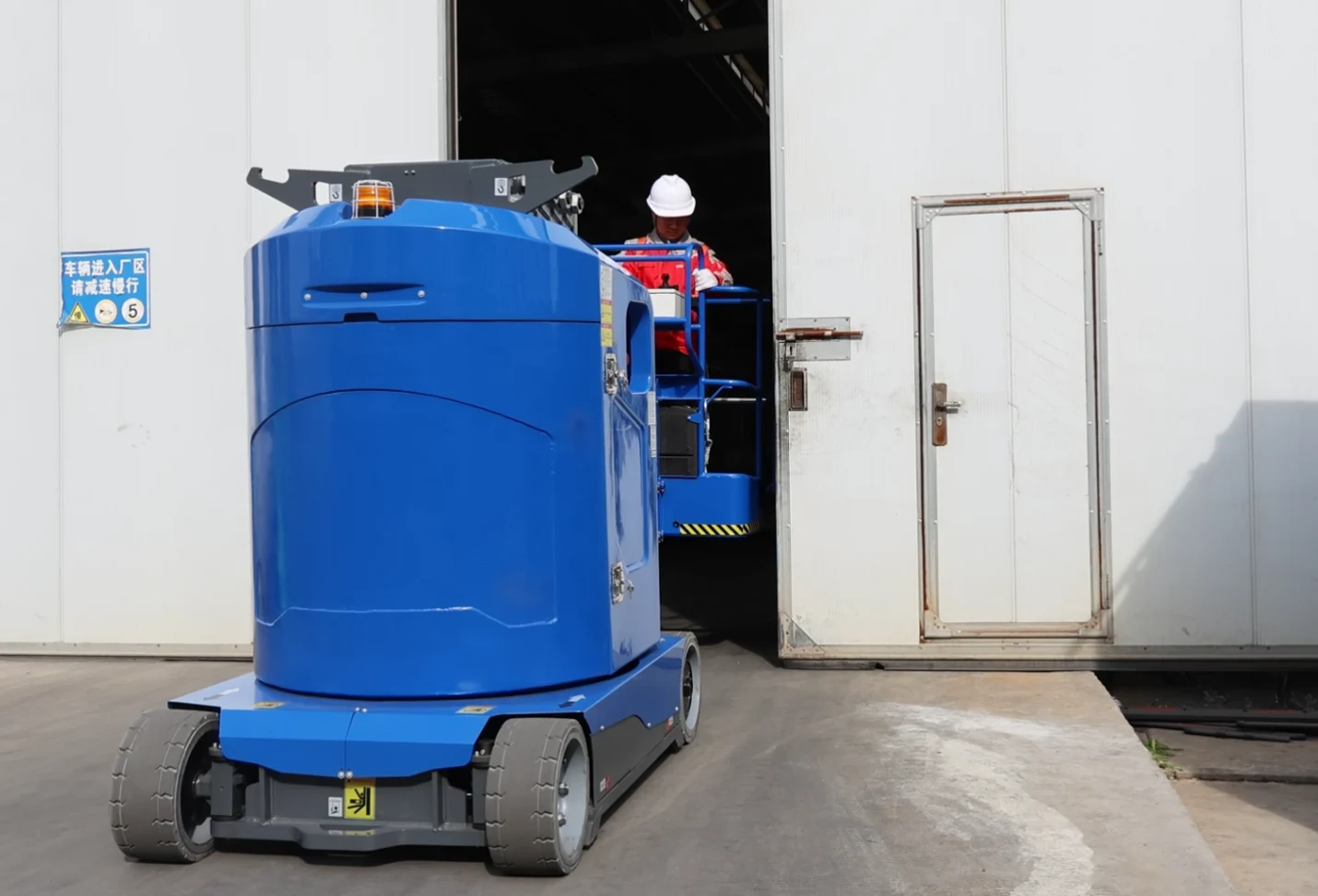
The construction sector needs access solutions that are safe, quick, and flexible. The vertical mast lifts is one of the most talked-about new forms of aerial lifts on the market today. It is small but powerful, and it strikes a good mix between mobility, reach, and stability, which helps with some of the most common problems on construction sites.
A vertical mast lift transforms how people work at height by making it easier to move about in tight spaces and reach high places without having to move heavy scaffolding. This article goes into great depth on how a vertical mast lift is changing the way people get to work in modern construction.
Compact Size with Big Capabilities
The vertical mast lift is changing the way construction work is done in part because it is so small. Vertical mast lifts are better for inside work or sites that are crowded because they fit into confined spaces better than bigger boom lifts or scaffolding structures. They can fit through regular doorways, work in tight spaces, and get to places that bigger machinery can't.
Many versions have astonishing working heights, often between 8 and 12 meters, even though they are small. Because of its size and capabilities, crews can use a vertical mast lift throughout both the early and late stages of a development, which means they don't need as many types of access equipment.
Increased Efficiency on Site
In construction, time is very important, and the vertical mast lift helps save it in a number of ways. Its capacity to be moved fast cuts down on the time it takes to switch tasks. In self-propelled variants, operators can drive and lift without getting off, which saves time that would have been spent moving the machine by hand.
The vertical mast lift lets you start working practically right away, unlike putting up and taking down scaffolding. Feedback from the industry reveals that using vertical mast lifts for work that needs to be done at different heights can increase the number of tasks completed by as much as 30%.
Enhanced Safety for Workers
Safety is always the most important thing in the construction sector. A vertical mast lift is far safer than ladders and other unsteady work platforms. Workers have a stable base at height thanks to guardrails, non-slip platforms, and secure controls.
Falls are still one of the most common ways to get hurt on construction sites, however using vertical mast lifts instead of ladders for some jobs has been demonstrated to greatly lower the number of falls. The way the machine is built keeps the operator inside the platform's guardrails, which lowers the chance of overreaching or losing balance.
Lower Operational and Maintenance Costs
The vertical mast lift usually costs less to run than other types of aerial lifts. Because its mechanics are simpler, especially in push-around types, there are fewer parts that need to be serviced. Electric-powered versions cost less to run and may be charged on-site without the need for special fueling infrastructure.
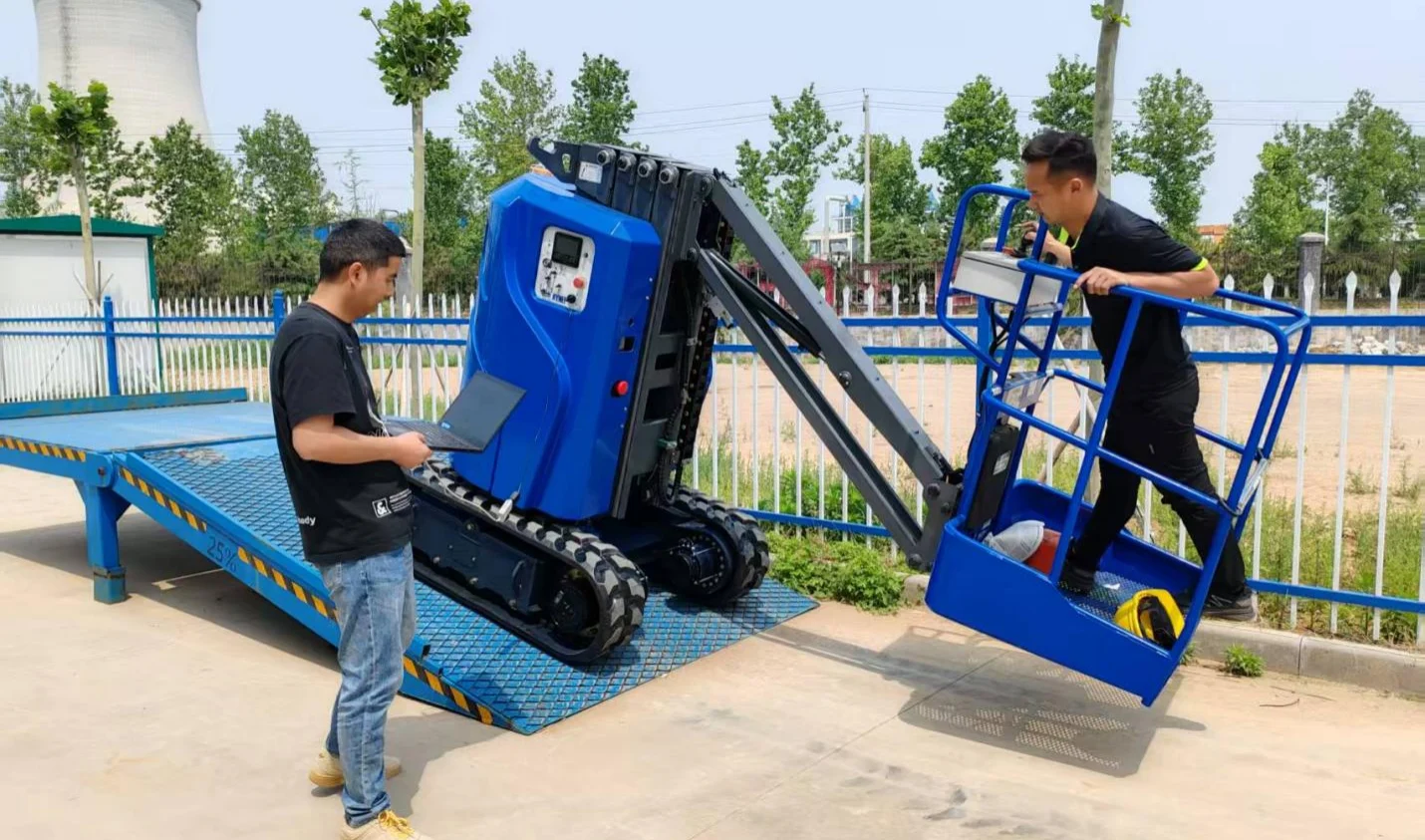
The vertical mast lift helps with these goals by letting personnel quickly switch between tasks, travel between locations without having to set up for a long time, and work with other trades without causing any problems. Because it works with both the early and late stages of a project, it may be used throughout the build, which means you won't have to hire or buy different kinds of access equipment.
Conclusion
The vertical mast lift isn't just another piece of access equipment; it's a flexible, affordable, and safe way to solve a lot of building problems. Many trades love it since it is small, can work in small places, and is easy to use. Vertical mast lifts are becoming standard on construction sites of all sizes because they are more efficient, safer, and cost-effective. The vertical mast lift will become even more important as the industry continues to focus on safety and productivity.